Source Corrugated Seafood Box for Food Gifts and Cosmetics
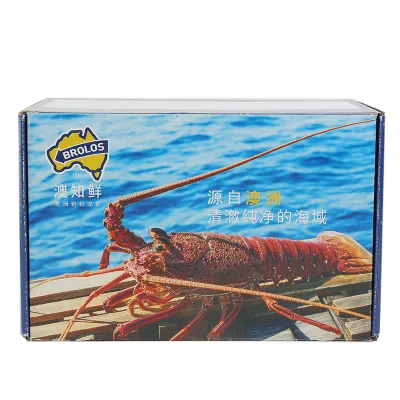
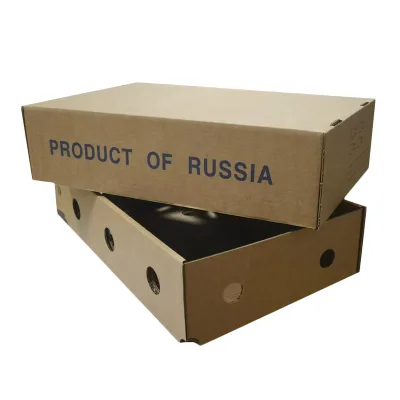
Compare 30 listings for corrugated seafood box options featuring waterproof protection and custom printing. Buyers can evaluate specifications like material, size, and delivery time from Guangxi, China manufacturers.
Key considerations
Products List






Comprehensive Sourcing Guide
Strategic Sourcing Guide for Corrugated Seafood Boxes
The global seafood supply chain relies heavily on specialized packaging to maintain product integrity, ensure hygiene, and extend shelf life during transit. When sourcing corrugated seafood boxes, buyers must navigate a complex landscape of material science, logistical requirements, and customization capabilities. The core product, often identified as a corrugated seafood box or Corflute fish packing box, serves a dual purpose: providing structural rigidity for heavy loads while offering moisture resistance essential for wet environments. This guide synthesizes available market data to help procurement professionals evaluate suppliers, understand technical specifications, and mitigate supply chain risks without relying on unverified claims.
Material Composition and Structural Integrity
The foundation of a reliable seafood box lies in its material composition. Market observations indicate a divergence in material types, ranging from traditional paper-based solutions to advanced plastic composites. One prevalent category utilizes Corrugated Board, specifically available in Brown or White variants. These boxes often feature a "Single Wall" or "Double Wall" construction, with flute profiles such as E, B, C, or combinations like Bc, Be, and Ee. The choice of flute profile directly impacts the box's crush resistance and stacking strength. For instance, double-wall configurations generally offer superior protection for heavier seafood loads compared to single-wall options.
In contrast, another segment of the market offers boxes made from Polypropylene or HDPE (High-Density Polyethylene), often marketed as Corflute. These plastic-based containers provide distinct advantages in wet conditions. Data suggests these products can achieve thicknesses ranging from 1.5mm to 12mm, with lengths extending up to 3000mm. This variability allows buyers to select a material that balances cost against durability. A critical observation is that some corrugated paper boxes are treated to be waterproof, a feature that is not inherent to all paper products and must be verified through surface treatment processes like varnishing or wax coating. Buyers should explicitly confirm whether the waterproofing is a permanent property of the material or a temporary coating applied during the manufacturing process.
Technical Specifications and Customization Parameters
Customization is a defining characteristic of the corrugated seafood box market. Suppliers frequently offer "AS CUSTOMIZED" models, allowing for precise dimensional adjustments to fit specific seafood varieties, from small shellfish to large fish fillets. The standard size for many units is flexible, with some specifications noting a "Large Box" format or custom dimensions, while others reference specific standard sizes like 606070mm or 4X8 feet (2400x1200mm). The ability to customize is further supported by the availability of various color options, including Pink, White, Blue, and Black, as well as CMYK, Pantone, or custom color matching.
Weight is another critical specification for logistics planning. Observed data indicates that individual units typically weigh between 1 and 1.5 kg. This weight range must be factored into total shipping calculations, especially when palletizing large orders. Furthermore, the joint construction method, whether Glue or Staple, influences the box's ability to withstand the moisture and pressure of the seafood supply chain. Buyers should verify the joint type based on the intended load; glue joints may offer a cleaner aesthetic, while staples might provide faster assembly times but require careful inspection for metal contamination in food-grade applications.
Compliance, Surface Treatments, and Safety Features
Ensuring that packaging meets food safety standards is paramount. While specific certification names are not universally listed in general product descriptions, buyers must verify that the materials used are food-grade. The raw materials, whether Corrugated Board or Polypropylene, must be free from contaminants. Surface treatments play a significant role in compliance and functionality. Available treatments include Varnishing and Wax Coating, which are essential for waterproofing. Additionally, advanced options such as UV Resistance, Corona Treatment, and Fire-Retardant properties are available for specific market requirements.
For buyers operating in regulated environments, the presence of ESD (Electrostatic Discharge) protection might be relevant for certain electronic components used in seafood processing, though this is less common for the food itself. The printing process, which includes UV Printing and Screen Printing, must use inks that are safe for indirect food contact if the box is designed to hold food directly. The "Recycled" paper feature is a notable attribute for sustainability-conscious buyers, but it requires verification that the recycling process meets local food safety regulations. Buyers should request documentation confirming that the wax or varnish coatings do not leach harmful substances into the seafood product.
Cost Drivers and Pricing Structures
The pricing of corrugated seafood boxes is influenced by several dynamic factors, including material type, customization level, and order volume. The observed price range in the market spans from $0.05 to $52 per unit, a wide variance that reflects the difference between simple, single-wall paper boxes and complex, multi-layered plastic or heavily customized solutions. The Minimum Order Quantity (MOQ) also varies significantly, ranging from 1 unit for sample orders to 100,000 units for bulk production runs.
Customization is a primary cost driver. While standard sizes may be available at lower price points, bespoke models with specific dimensions, logos, and surface treatments incur additional costs. The "Custom Sample Fee" is a notable cost factor, typically ranging from $100 to $300, though stock samples may be provided for free. This fee structure encourages buyers to invest in prototyping before committing to large-scale production. Additionally, the complexity of the printing process, such as the number of colors or the use of special inks, will impact the final unit cost. Buyers should anticipate that higher MOQs will generally result in a lower cost per unit, but the initial investment in tooling and samples remains a fixed cost that must be budgeted.
Supplier Evaluation and Production Capabilities
When evaluating potential suppliers, buyers should look for evidence of long-term industry experience and production flexibility. A key indicator of a mature supplier is a "Factory History" of more than 20 years, suggesting stability and a deep understanding of the packaging requirements. The ability to accept "Custom Orders" is another critical metric, indicating that the supplier is not limited to off-the-shelf products.
Production capacity and lead times are essential for supply chain planning. Typical delivery times for these products range from 7 to 15 days, with sample times averaging around 7 days. However, these timelines can fluctuate based on the complexity of the order and the current demand for raw materials. Buyers should verify the supplier's location, with Guangxi, China, being a noted origin point for many corrugated seafood boxes. Understanding the geographic location helps in estimating shipping costs and potential tariffs. Furthermore, the payment terms, often structured as T/T 30% in advance and T/T 70% before shipment, are standard in the industry but should be negotiated based on the order size and the buyer's risk tolerance.
Quality Control and Long-Term Procurement Strategy
Effective quality control is non-negotiable for seafood packaging. The "Joint" integrity, whether glued or stapled, must be tested for strength under wet conditions. The "Waterproof" attribute, while listed as a feature, requires rigorous testing to ensure it holds up during extended transit times. Buyers should request test results or samples to verify the waterproofing claims, especially for boxes intended for long-distance shipping.
For long-term procurement, establishing a relationship with a supplier that offers "Customized" standards and packing options is advantageous. The ability to pack boxes by pallet or in fold packing configurations can significantly reduce logistics costs and damage rates. Additionally, the availability of various models, such as "FD-cbx326," "AS CUSTOMIZED," or specific seafood models like "sea food 20050011," indicates a robust product line that can adapt to changing market needs.
Buyers should also consider the environmental impact of their packaging choices. The availability of recycled paper materials and the potential for reusability (in the case of plastic Corflute boxes) are becoming increasingly important. A strategic approach involves balancing the immediate cost of the box with the long-term costs of waste disposal and brand reputation. By prioritizing suppliers who offer transparent material sourcing and sustainable production practices, buyers can future-proof their supply chains against evolving environmental regulations.
Comparative Analysis of Packaging Options
To assist in decision-making, the following table compares key attributes of the two primary material types observed in the market: Corrugated Paper and Plastic (Corflute/HDPE).
| Attribute | Corrugated Paper Box | Plastic (Corflute/HDPE) Box |
|---|---|---|
| Primary Material | Brown/White Corrugated Board | Polypropylene or HDPE |
| Weight Range | 1-1.5 kg | Varies (Thickness 1.5mm-12mm) |
| Waterproofing | Requires Varnish/Wax Coating | Inherent (Material Property) |
| Customization | High (Size, Color, Printing) | High (Size, Color, Printing) |
| Surface Treatment | Varnishing, Wax Coating | UV Resistance, Corona Treated |
| Typical Applications | Food, Gifts, General Logistics | Food, Household, Electronics |
| Recyclability | High (Recycled Paper Available) | Moderate (Depends on local facilities) |
| Cost Driver | Material Grade, Printing Complexity | Thickness, Mold Costs |
This comparison highlights that while both options offer high customization, the plastic variant provides inherent waterproofing, whereas the paper variant relies on surface treatments. The choice between them should be driven by the specific logistical requirements, such as transit duration and exposure to moisture, as well as the buyer's sustainability goals.
In conclusion, sourcing corrugated seafood boxes requires a meticulous approach that balances technical specifications, cost efficiency, and compliance. By focusing on verified attributes such as material composition, customization capabilities, and supplier history, buyers can secure packaging solutions that protect their products and enhance their brand value. The wide range of available models and the flexibility of suppliers in Guangxi and other regions provide ample opportunities for tailored procurement strategies that meet the unique demands of the seafood industry.
FAQs
What materials are used for corrugated seafood boxes?
Corrugated seafood boxes are primarily made from Brown or White Corrugated Board, though some options use Polypropylene or HDPE plastic. The paper variants often feature Single or Double Wall construction with flute profiles like E, B, or C to ensure structural integrity for heavy loads.
How can I customize the size and dimensions of the box?
Suppliers offer AS CUSTOMIZED models allowing precise dimensional adjustments to fit specific seafood varieties. While standard sizes like 60*60*70mm exist, many units support custom lengths up to 3000mm and thicknesses ranging from 1.5mm to 12mm for tailored packaging needs.
Are these boxes waterproof for wet seafood environments?
Yes, many corrugated seafood boxes are treated to be waterproof through surface processes like Varnishing or Wax Coating. Plastic variants made from Polypropylene or HDPE provide inherent waterproofing, while paper boxes require these specific treatments to withstand moisture during transit.
What are the typical lead times for production and delivery?
Typical delivery times for these products range from 7 to 15 days after order confirmation. Sample times average around 7 days, though complex custom orders or large bulk quantities may require extended scheduling based on the supplier's current capacity and raw material availability.
Can I order custom printed boxes with my logo?
Yes, suppliers accept custom orders with logo printing available in CMYK, Pantone, or custom colors. The printing process includes UV Printing or Screen Printing, and buyers can choose from various surface treatments like Varnishing or Wax Coating to protect the graphics.
What is the minimum order quantity for these boxes?
The minimum order quantity varies significantly, ranging from 1 unit for sample orders up to 100,000 units for bulk production runs. Higher volumes generally result in lower unit costs, but initial custom sample fees typically range from USD100 to USD300 unless stock samples are available.
How are the boxes packed for shipping and logistics?
Boxes are typically packed by Pallet or in Fold Packing configurations to optimize logistics and reduce damage rates. Custom packing options are available, and the individual unit weight usually falls between 1 and 1.5 kg, which must be factored into total shipping calculations.